
Orland, CA and World War II: Civilian Pilot Training on the Home Front
Who is this guide for?
- This article is for visitors, road-trippers, and history lovers who want to explore Orland’s hidden World War II aviation history.
Quick links:
- Orland Before the War: A Farming Community
- California and the Army Air Forces Training Boom
- Chico Army Airfield: The Regional Hub
- Orland Auxiliary Field: Construction and Purpose
- Training the Pilots of World War II
- Life in Orland During the War Years
- A Network of Auxiliary Fields
- The End of the War and Closure of the Field
- From Military Base to Community Airport
- Preserving Orland’s World War II Legacy
- Conclusion
Talk of World War II in California usually brings thoughts of massive shipyards in the Bay Area or sprawling air bases in Southern California. Yet far from the coast, in the fertile fields of Glenn County, the small agricultural town of Orland played a quiet but meaningful role in America’s wartime aviation effort. During the war, Orland became home to a military training facility that helped prepare U.S. Air Force pilots for service overseas, a legacy that still shapes the community today.
This is the story of Orland’s World War II training field and its place within a regional network of air bases. Learn how a temporary wartime installation evolved into a lasting piece of local infrastructure.
Orland Before the War: A Farming Community
Before World War II, Orland was best known as a rural farming town in Northern California’s Sacramento Valley. The surrounding area produced almonds, walnuts, grains, and livestock, supported by irrigation and rail connections. Life in Orland was quiet and predictable, centered on agriculture, schools, churches, and seasonal calendars.
Like many small American towns, Orland seemed far removed from global conflict. That changed dramatically after the United States entered the war in December 1941. Almost overnight, California became a critical training and staging ground, and even remote communities were drawn into the national mobilization.
California and the Army Air Forces Training Boom
World War II demanded an unprecedented number of trained pilots and aircrews. The U.S. Army Air Forces expanded rapidly, building dozens of new airfields across California. The state’s clear weather, wide open spaces, and existing transportation networks made it ideal for year-round flight training.
Major airfields served as training hubs, supported by smaller satellite or “auxiliary” fields. These auxiliary fields relieved congestion, allowed student pilots to practice takeoffs and landings, and provided emergency landing options. Orland’s flat farmland and proximity to an established base made it an ideal candidate.
Chico Army Airfield: The Regional Hub
The central installation supporting Orland’s wartime role was Chico Army Airfield, located about 40 miles east. Activated in 1942, Chico Army Airfield served as a major training base for Army Air Forces pilots. Cadets trained there in basic and advanced flying skills before moving on to operational units.
As flight activity increased, Chico Army Airfield relied on a ring of auxiliary fields throughout Northern California. These satellite locations allowed student pilots to practice repeatedly without overcrowding the main base—a critical factor in maintaining training efficiency and safety.
Orland Auxiliary Field: Construction and Purpose
In 1942, the federal government acquired approximately 500 acres of farmland southeast of Orland to construct the Orland Auxiliary Field. Unlike major bases with long runways and extensive buildings, Orland Auxiliary Field was designed for simplicity and function.
The most distinctive feature of the field was its large square concrete landing mat, measuring roughly 3,000 by 3,000 feet. This square design allowed aircraft to take off and land in almost any direction, depending on wind conditions. Such layouts were common at auxiliary training fields across California during the war.
The field had minimal permanent structures, reflecting its purpose as a support facility rather than a full base. Pilots from Chico Army Airfield used Orland Auxiliary Field primarily for flight training exercises, including takeoffs, landings, and pattern work.
Training the Pilots of World War II
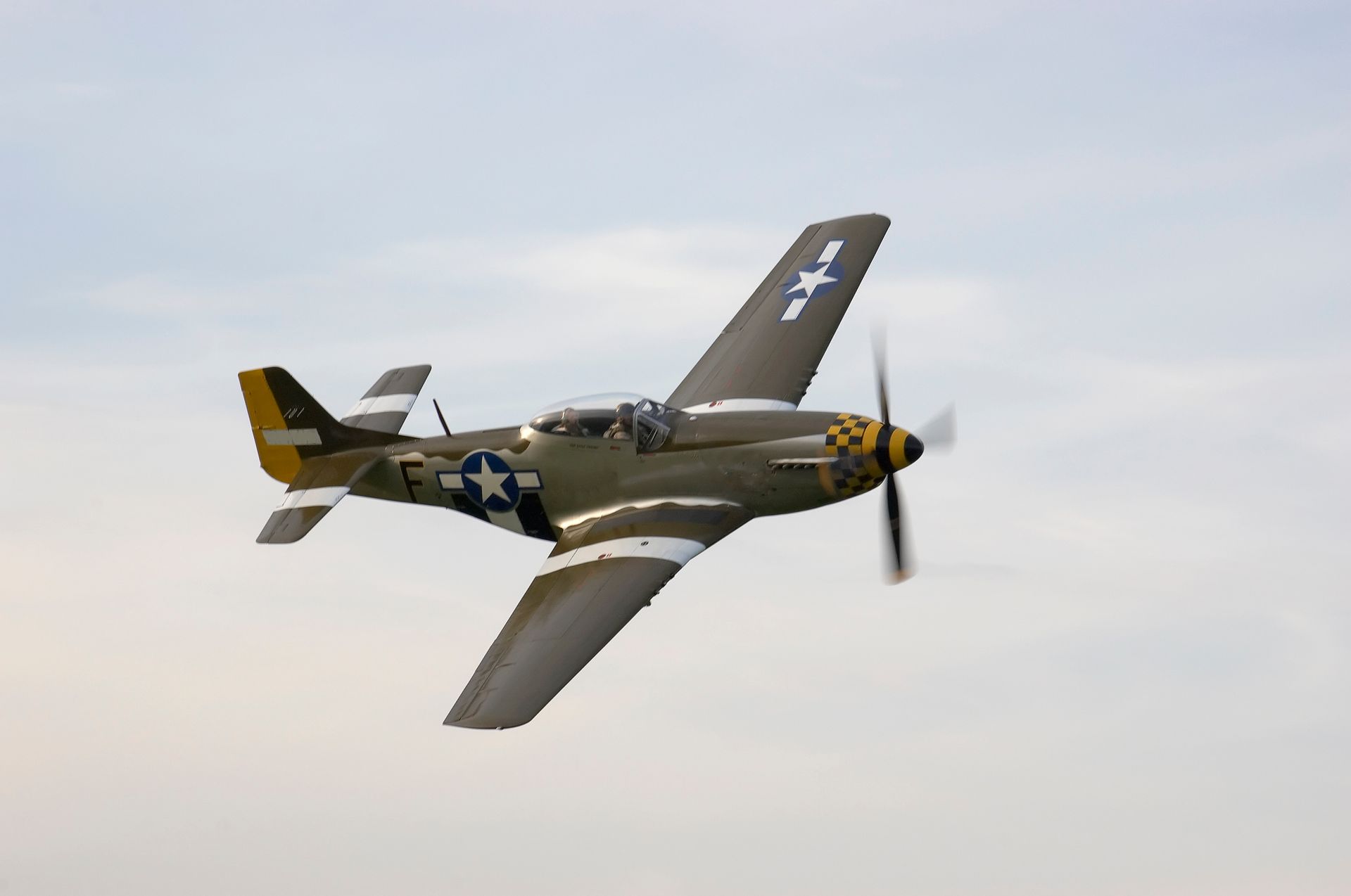
While no combat squadrons were permanently stationed at Orland Auxiliary Field, its role was nonetheless vital. Student pilots flew training aircraft—typically single-engine planes used for basic instruction—from Chico to Orland and back again. Each successful landing and takeoff brought them one step closer to operational readiness.
Auxiliary fields like Orland’s helped reduce accidents by spreading out flight traffic and providing safe practice areas. Instructors could focus on specific skills, while pilots gained confidence handling aircraft under varying conditions.
For Orland residents, the presence of military aircraft overhead became a daily reminder that the town was now part of the global war effort.
Life in Orland During the War Years
The arrival of a military installation brought subtle but important changes to Orland. Soldiers and pilots passed through the area, interacting with local businesses and residents. Cafés, gas stations, and shops benefited from increased activity, while farmers adjusted to living alongside a busy airfield.
Though Orland did not experience the dramatic population booms seen near larger bases, the wartime presence left a lasting impression. Many local families remembered watching training planes circle overhead or hearing engines roar across the fields.
A Network of Auxiliary Fields
Orland Auxiliary Field was just one part of a broader system supporting Chico Army Airfield. Other auxiliary fields were scattered across the Sacramento Valley, including sites near Vina, Willows, and Kirkwood. Together, these airfields formed a regional training network that enabled the rapid expansion of American air power during World War II.
This decentralized approach allowed the Army Air Forces to train thousands of pilots efficiently—an often overlooked but crucial factor in Allied victory.
The End of the War and Closure of the Field
With the war’s end in 1945, the demand for pilot training declined sharply. By late 1946, Orland Auxiliary Field was declared surplus and officially closed as a military installation.
Rather than abandoning the site entirely, the federal government transferred the property to Glenn County under conditions that it continue to be used as a public airport and remain available for national defense in emergencies.
From Military Base to Community Airport
In June 1947, the former Orland Auxiliary Field reopened as Haigh Field Airport, named in honor of a local aviator. While modernized over time, the airport still reflects its wartime origins in its layout and location.
Today, Haigh Field Airport serves general aviation, agricultural flights, and emergency services. Though most travelers may not realize it, each takeoff and landing continues a tradition that began during World War II.
Preserving Orland’s World War II Legacy
Orland’s wartime airfield is a reminder that even small towns contributed to the massive effort required to win World War II. While few physical traces of the original auxiliary field remain beyond the airport itself, its story lives on in local history and community memory.
Preserving and sharing this history helps connect present-day Orland with a pivotal moment in the nation’s past. It also highlights the importance of training, logistics, and home-front contributions, roles that rarely receive the attention they deserve.
Stay Nearby at The Parkway RV Resort & Campground
Today, visitors can still experience this history firsthand by exploring the area around Haigh Field Airport and learning about Orland’s place in the World War II home front. For those traveling through Northern California with an interest in aviation history, military heritage, or small-town Americana, Orland makes an ideal stop.
To fully enjoy the experience, stop by The Parkway RV Resort, a convenient and comfortable base for exploring the region. Located close to Orland’s historic sites, our resort offers modern amenities while placing you right in the heart of a community shaped by a rich past. Whether you’re a history enthusiast or just a road-trip traveler, a stay in Orland offers a meaningful way to connect with California’s World War II legacy.