The Orland Project: A Century of Water, Work, and Community
Who is this guide for?
- This article is written for travelers, history enthusiasts, and outdoor explorers interested in discovering how the Orland Project shaped Northern California’s landscape and communities.
Quick links:
- A Vision in the Early 1900s
- Building a Water Network
- A Community Transformed
- Modern Upgrades and Renewed Purpose
- Visiting the Legacy Today
In the rolling countryside of northern California, the city of Orland stands as a reminder of how human ingenuity and cooperation can transform an entire region. The productive farmland, tree-lined canals, and serene reservoirs that visitors see today owes much to an ambitious plan launched more than a century ago.
The Orland Project, one of the earliest federal irrigation efforts in the state, reshaped this corner of the Sacramento Valley through vision, engineering, and persistence. Join us as we explore a tale of ingenuity that’s just as relevant today as it was 100 years ago.
A Vision in the Early 1900s
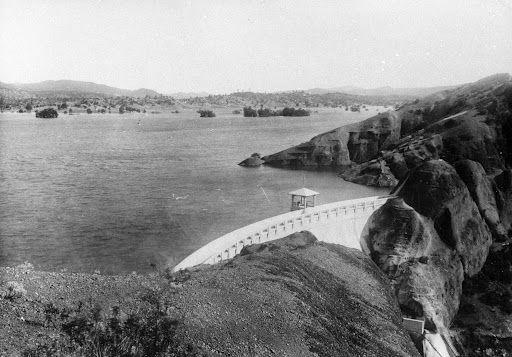
At the turn of the twentieth century, the U.S. Reclamation Service began tackling the challenge of bringing dependable water to the arid lands of the American West. In 1907, the Orland Project became one of the first of these national undertakings. The goal was simple but bold: to provide a reliable water supply that would allow small farmers to thrive rather than struggle through unpredictable drought cycles.
Before the project, farming along Stony Creek was a difficult gamble. Local growers built makeshift ditches and crude diversion systems that often failed during dry years or washed out in floods. When the federal government approved the Orland Project, it offered hope that this fertile yet water-starved region could finally fulfill its agricultural potential.
Construction began in 1908, and by 1910 the first water was flowing through a system that would soon become the backbone of all life in northern California.
Building a Water Network
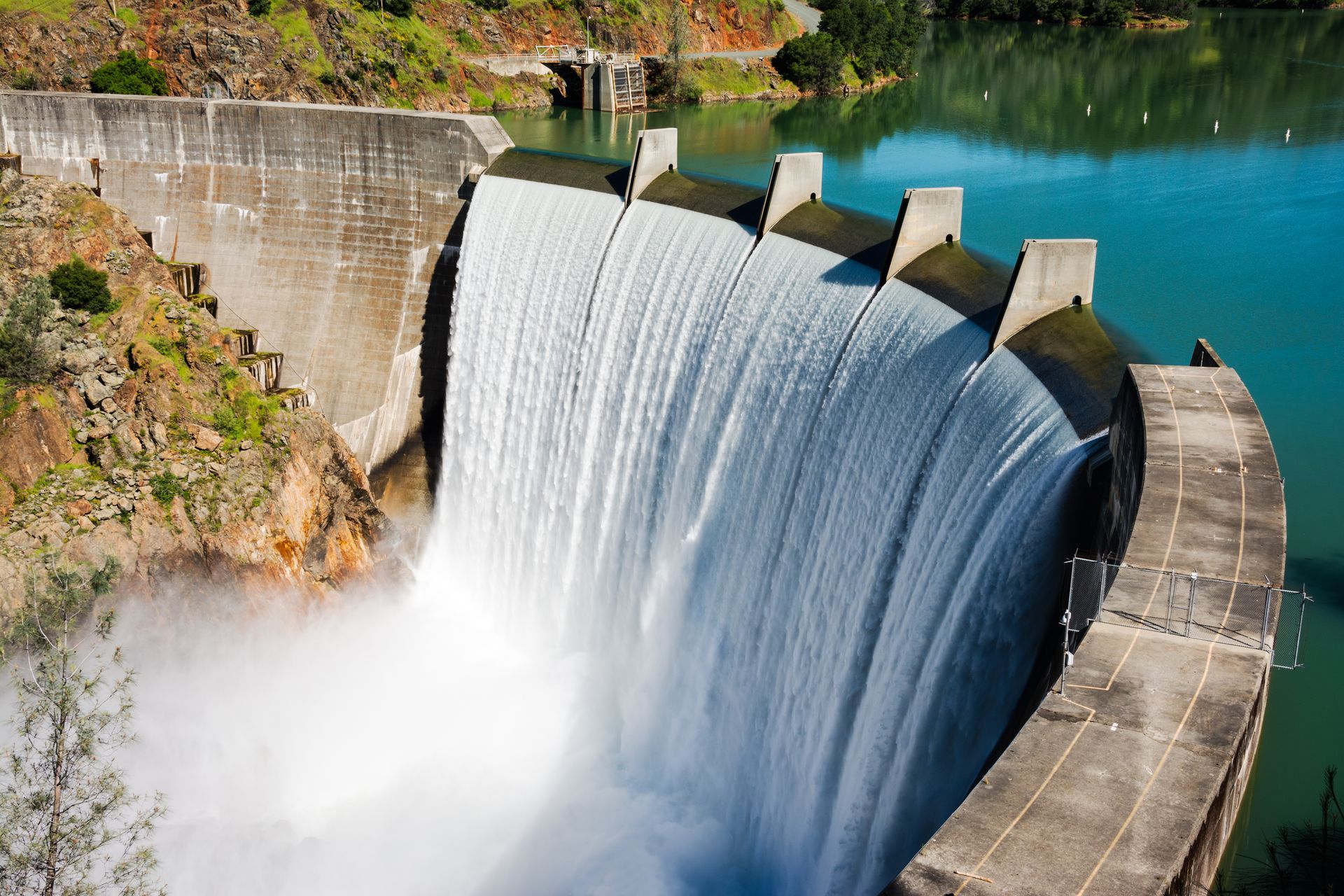
The Orland Project’s design was ambitious for its time. Engineers constructed East Park Dam on Little Stony Creek, forming East Park Reservoir, which could store more than 50,000 acre-feet of water. Nearly two decades later, Stony Gorge Dam was added farther downstream to increase capacity and improve control of the water supply.
An intricate network of canals, laterals, and diversion structures carried that water to fields across Glenn and Tehama Counties. The project ultimately included nearly 17 miles of main canals and over 130 miles of smaller distribution channels. For early-twentieth-century engineering, it was a remarkable achievement—built largely by hand and horse-drawn equipment.
This infrastructure did more than move water: it created stability. With irrigation, farmers could cultivate orchards, alfalfa, and grains that were previously impossible to sustain. Land values rose, families settled permanently, and a sense of shared purpose grew around the operation of the system itself.
A Community Transformed
The Orland Project was never just about technology; it was about people. The federal program was designed to encourage small-scale, self-reliant farming communities. Each family farm typically covered forty to eighty acres, large enough to support a household but small enough to require careful stewardship of land and water.
In the years that followed, the area blossomed into a thriving agricultural community. Cooperative water management fostered close ties among neighbors. Schools, churches, and local businesses flourished as the population grew. The project also demonstrated the potential of coordinated irrigation across the West, serving as a model for other regions that would later adopt similar systems.
The Orland Unit Water Users’ Association eventually assumed responsibility for managing the project in 1954, ensuring that local residents continued to guide its future. That community-based approach remains a cornerstone of the project’s identity today.
Modern Upgrades and Renewed Purpose
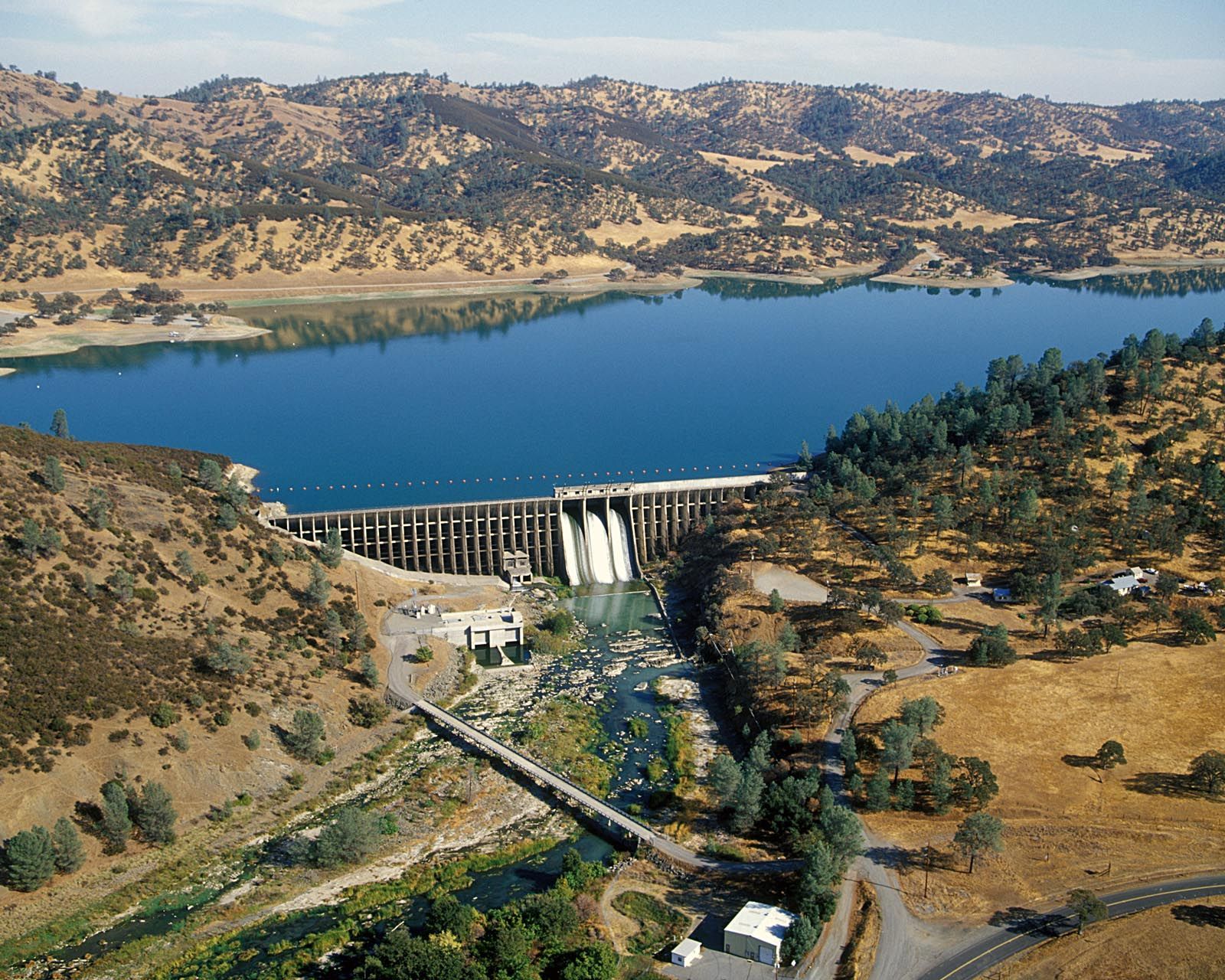
Over a hundred years after its creation, the Orland Project continues to evolve. Modern agriculture demands efficient water use, and the system has kept pace with technological progress. In the 2010s, a comprehensive modernization program introduced automation, remote monitoring, and improved flow-control gates. These upgrades reduced water loss and increased flexibility for farmers adjusting to changing conditions.
A 49-acre-foot regulating reservoir was added to help manage daily fluctuations in demand. The project’s management also invested in new measurement tools and digital systems to track usage more precisely. These improvements have allowed the Orland Project to remain both sustainable and economically vital, demonstrating how historic infrastructure can adapt to twenty-first-century changes.
Recent legislation has even proposed allowing surplus water from the Orland Project to be temporarily shared with other parts of California’s Central Valley, reflecting a broader focus on cooperative resource management in the face of statewide drought concerns.
Visiting the Legacy Today
Visitors to the Orland area can still see and enjoy the legacy of this historic endeavor. East Park Reservoir and Stony Gorge Reservoir are now popular recreation areas where the project’s early engineering coincides with natural beauty. Both reservoirs offer opportunities for boating, kayaking, fishing, and picnicking along scenic shorelines. The surrounding hills provide excellent trails for hiking and wildlife viewing, giving travelers a peaceful setting to appreciate the same landscapes that inspired the original builders more than a century ago.
Interpretive signs and local historical exhibits share stories of the people who built the dams and canals, offering insight into how these structures changed daily life in the Sacramento Valley. Exploring the Orland Project sites today connects visitors to the enduring spirit of innovation that continues to define California’s agricultural success.
Stay at the Parkway RV Resort
The Orland Project stands as a lasting reminder of how determination, planning, and cooperation can turn vision into reality. Its century-long legacy continues to support farms, families, and ecosystems across the northern Sacramento Valley. For travelers, it offers a unique opportunity to experience history in a landscape still shaped by its early achievements.
After a day of discovering the reservoirs, dams, and scenic countryside of Orland, relax and unwind at Parkway RV Resort and Campground. Conveniently located near many of the best things to do in Orland, our campground provides a comfortable and welcoming base for exploring the region. Stay awhile, take in the peaceful surroundings, and experience firsthand the story that began with a simple idea—to bring life to the land through the power of water.